Hallo, Berlin
I lived in Berlin for 1 year and here is what I'd tell a fellow designer or developer considering the move.
After five years in the US and one in Belgium, I wanted to be back in Europe in a bigger city with an established tech scene. I looked at a few options across northern Europe (Amsterdam, Paris, Stockholm, London), and Berlin kept coming up. Affordable relative to other major tech cities, centrally located, and with a startup scene that's been growing for over a decade. For an EU citizen, the move is also straightforward with no visa and no work permit.
What made this move different from previous ones was that I arrived without an existing network and without speaking German. Before, there was always a built-in community (a university, a sports team, a job), but this time, I was starting from scratch.
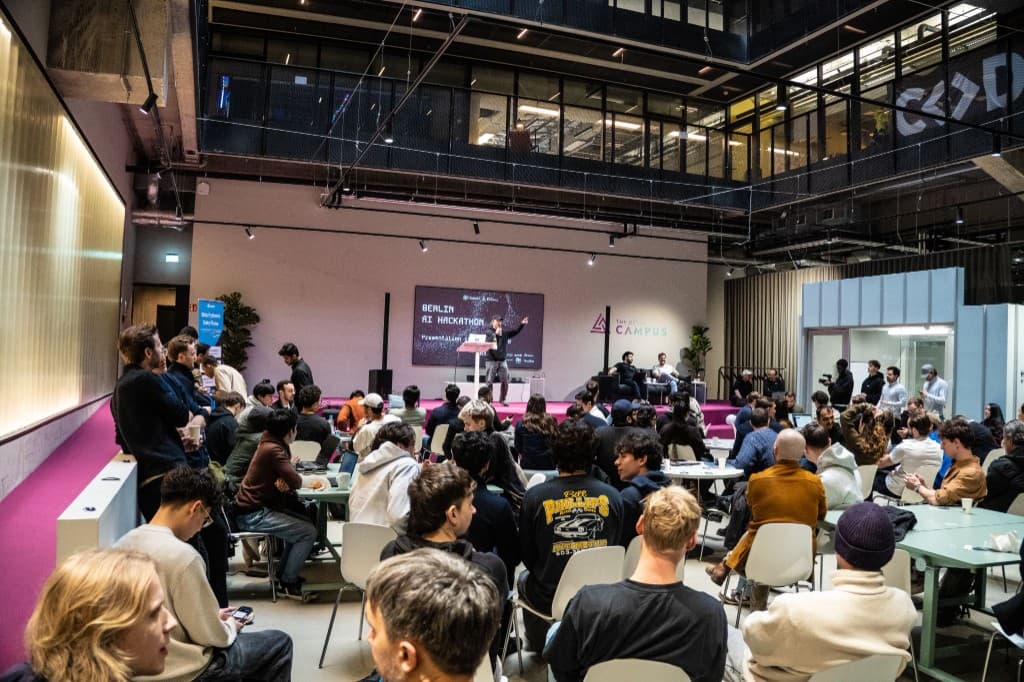
Berlin AI hackathon by {Tech: Europe}
The first month: practical setup
Finding a flat
I searched on WG-gesucht and Flatsforfriendz and found a two-person apartment in Kreuzberg within a week. The long-term housing market in Berlin is rough, comparable to most European capitals, but short-term rentals for six months are much easier to find and I find it a good way to get started before committing to a neighbourhood.
Kreuzberg turned out to be a good call. It's about 20 minutes from the city centre, mostly young people, and for me specifically: a 20-minute bike ride from most tech events, 10 minutes from Impact Hub Berlin where I worked, and a 5-minute walk from Adidas Sports Base, which runs free daily workouts.
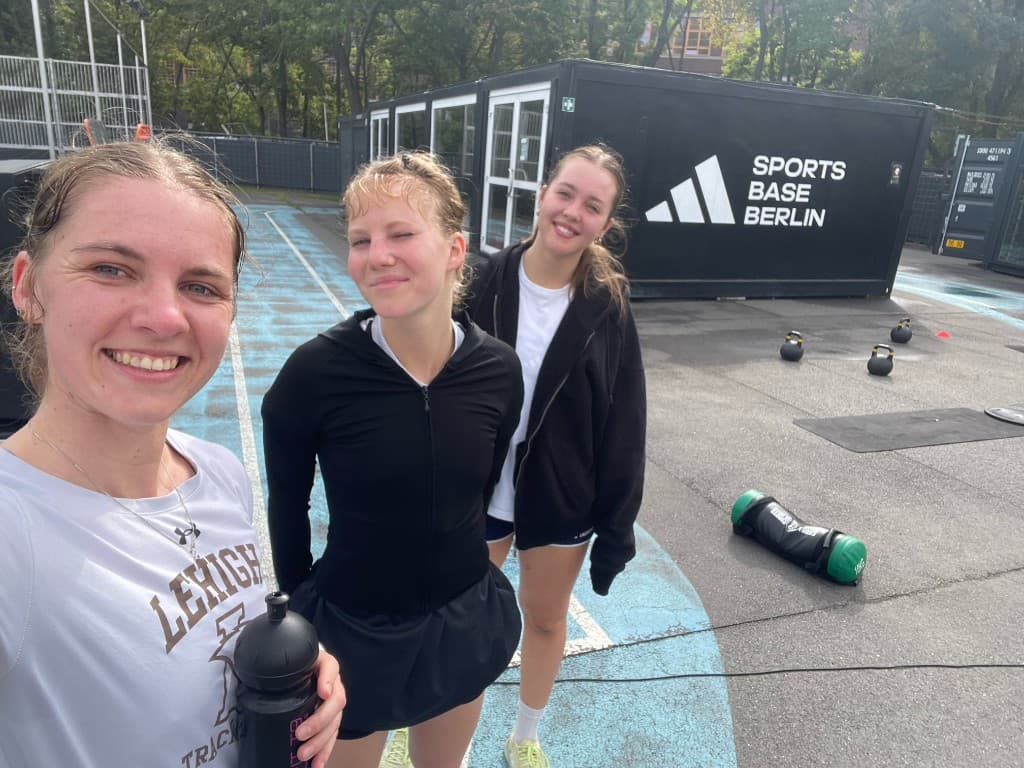
A workout at the Adidas Sports Base 5 min from my apartment.
Getting around
I bought a second-hand bike on Facebook Marketplace in the first week. Berlin is very bikeable, it only snowed for about a week in February, and public transport strikes are frequent enough that having a bike as backup is very practical.
Groceries
Lidl or Aldi for everyday staples, small Turkish shops for fresh produce. Food is noticeably cheaper than in the US and roughly on par with Slovenia, but more on costs below.
Medical insurance
There are a few options depending on your situation. I went with Coris international annual insurance, which covers same-day medical assistance, useful when you have a bee allergy and get stung ;).
The language barrier
Berlin tech runs in English, but landlords, contracts, and all bureaucracy are in German. I relied heavily on AI tools and friends who speak the language. The practical advice: get a German speaker to read your apartment contract before signing. Mine had termination clauses I didn't fully register, which caused friction later.
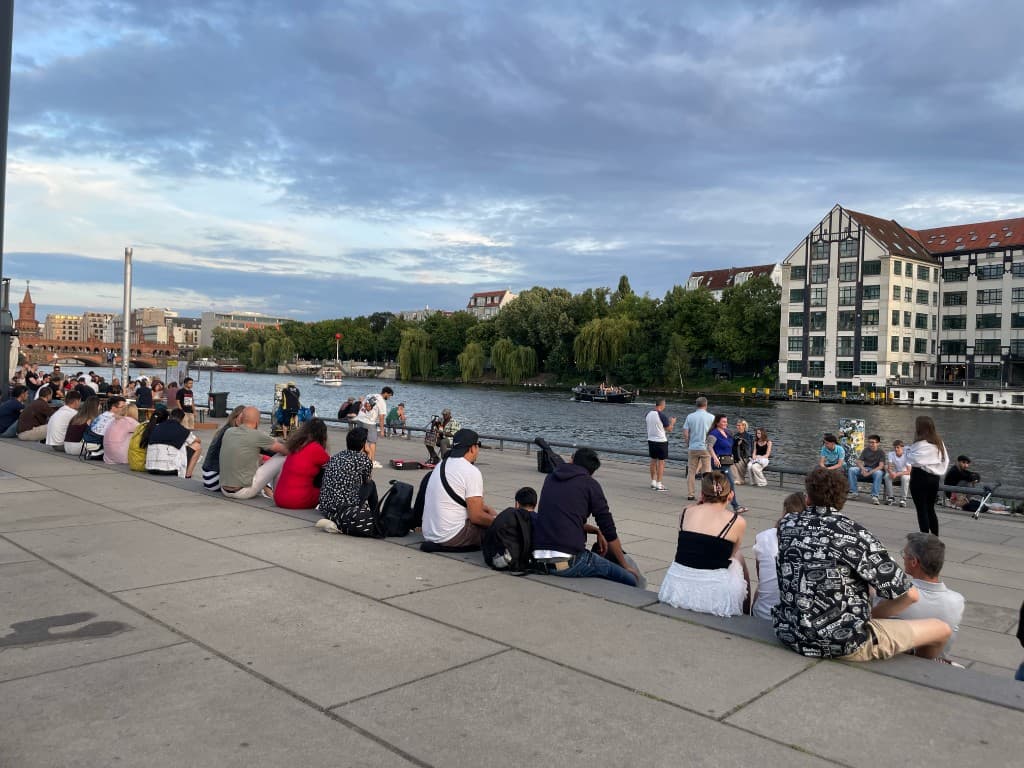
Sitting by the river Spree and listening to a guitar player
Anmeldung
Registering your address at the local Bürgeramt (the Anmeldung) is technically mandatory, but in practice, your landlord may not require it. I didn't end up needing it either, partly because I already had Revolut, which works fine without it. That said, it's worth knowing about: if you plan to open a German bank account, register as a freelancer, or access public health insurance, you'll need it.
Cost of living
This surprised me more than anything else. Monthly expenses for rent and food in Berlin came out roughly comparable to those in Ljubljana. Rent is slightly higher, but groceries and eating out are around 10–20% cheaper, which balances it out. For context, it's significantly cheaper than San Francisco and cheaper than Brussels for day-to-day spending.
If you're flying from Slovenia, the Trieste–Berlin route runs three times a week and costs around 40 EUR depending on the season.
For Slovenians specifically
There's almost always a "Slovenians in [city]" Facebook group that is very active and helpful. Through it, I found a van doing regular runs between Slovenia and Berlin, which is how I got my road bike, so I could do some longer rides in the countryside.
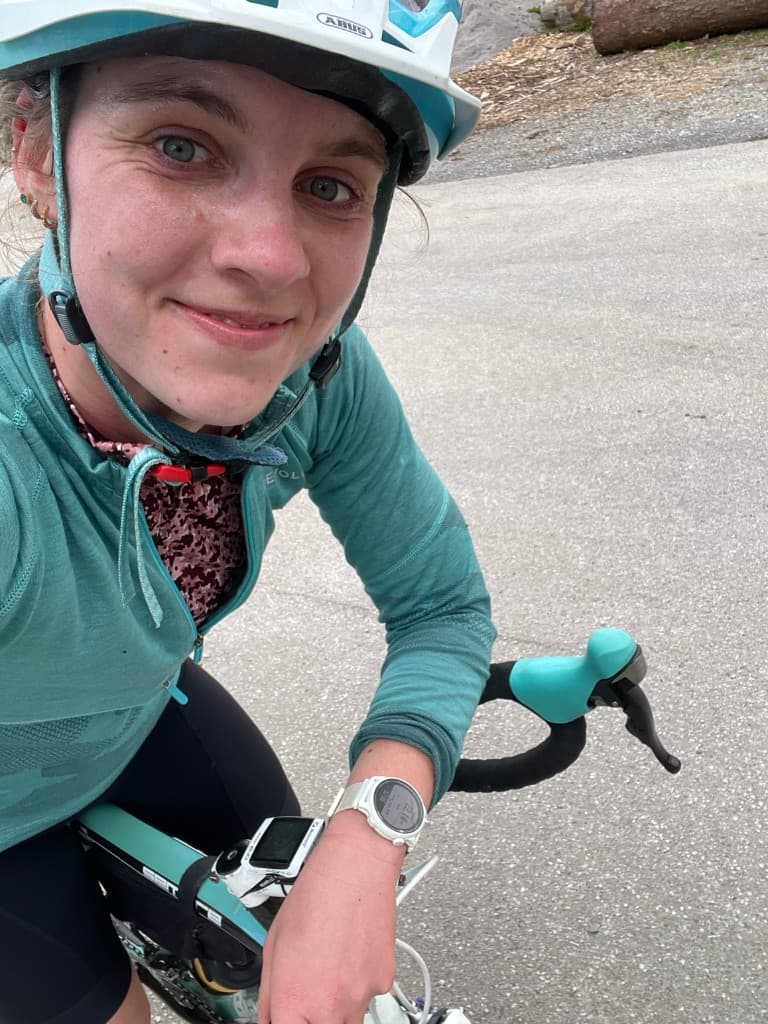
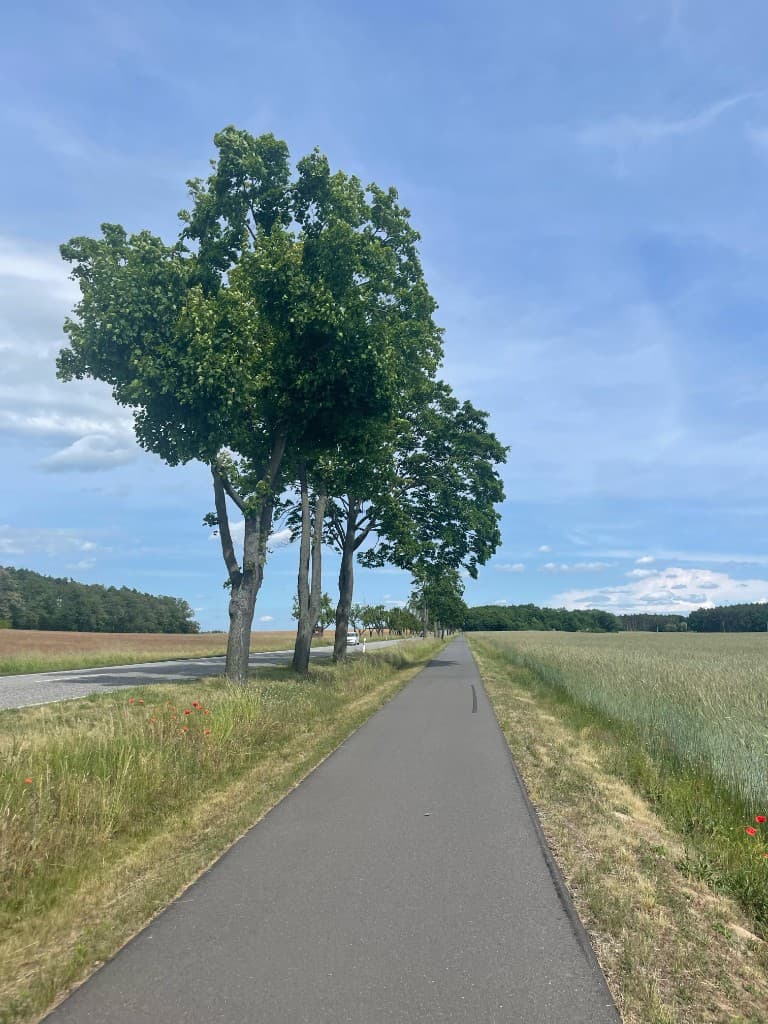
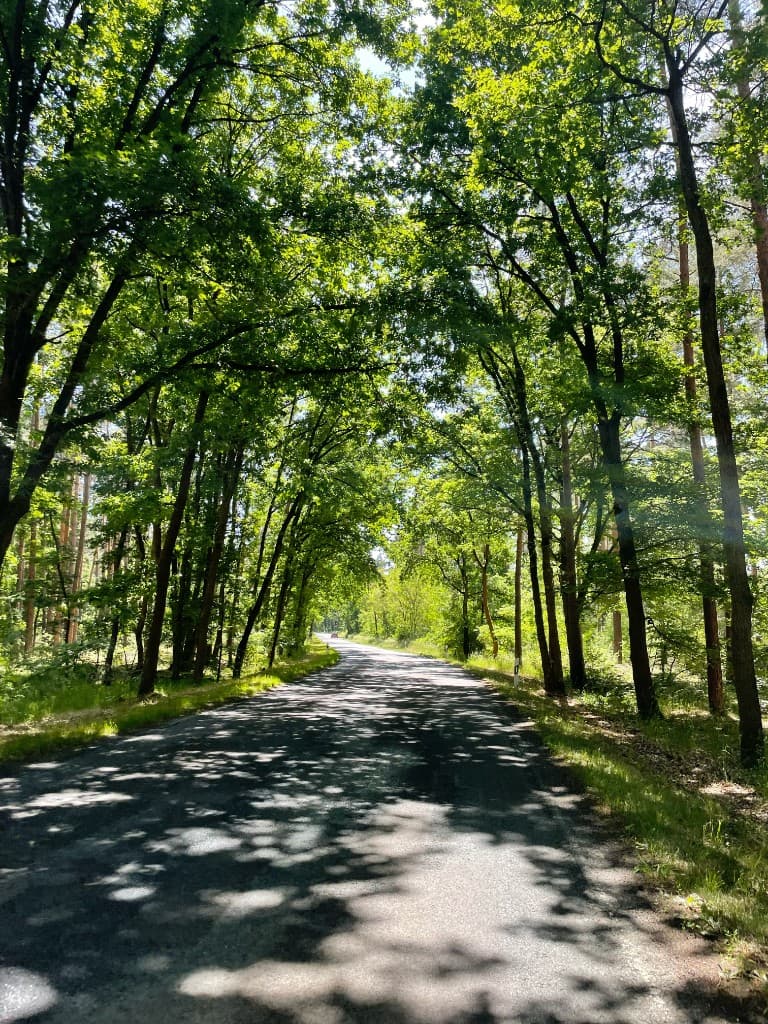
Cycling in the countryside outside of Berlin
Tech communities and where they meet
The majority of events I found through Luma, which is the default platform for tech events in Berlin. I also subscribed to two newsletters early on that consistently surfaced good stuff: Berlin Events Weekly and the {Tech: Europe} newsletter.
The tech hubs worth knowing
Most of the best events I attended were hosted at a handful of recurring venues:
- Merantix AI Campus and Delta Campus: the two most focused AI and deep tech spaces in the city
- Betahaus and WeWork: more general startup coworking with regular community events
- CIC Berlin: a larger innovation hub that attracts bigger company events
- Project A: the VC firm, but they host good open events
- CODE University: worth following if you're interested in events that intersect academia and product
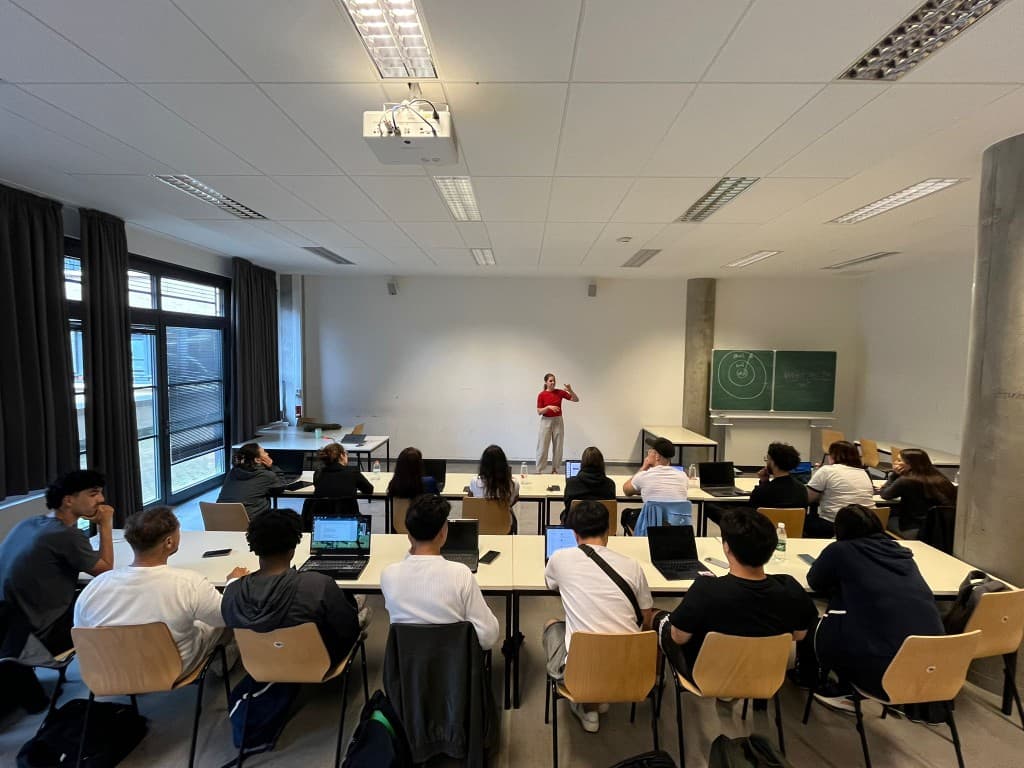
I presented my work at SRH University
Companies like N26, Grammarly, Intercom, and HelloFresh also host events at their offices and are worth following directly.
{Tech: Europe}
This is the community I'd point anyone to first. It originates from Berlin and has grown into the largest builder community across Europe's major tech hubs. They run hackathons sponsored by serious companies (I attended two, with sponsors including Anthropic, Lovable, Supabase, Sentry, and ElevenLabs), and they connect engineering talent with startups in a way that feels less transactional than most networking events.
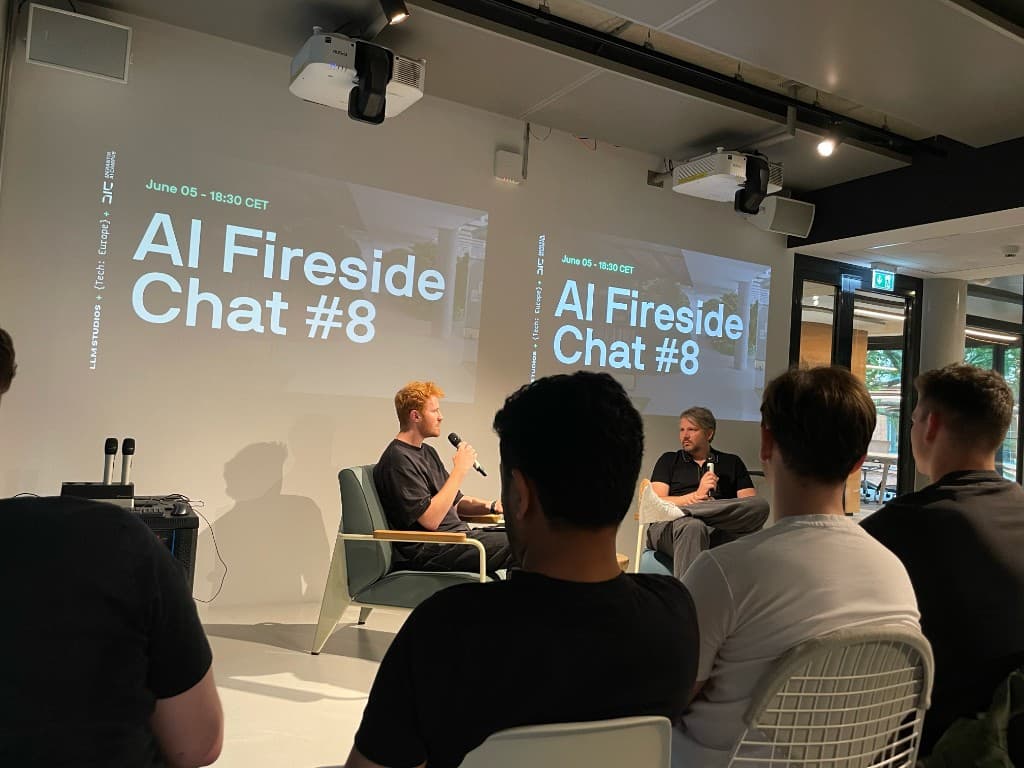
AI Fireside chat with Vercel's CTO Malte Ubl
Events I got the most out of
Since I work in code generation, a few events stood out specifically. A {Tech: Europe} evening with Vercel's CTO, Malte Ubl, was one of the better technical talks I attended all year. I also went to Claude Code Anonymous meetups regularly, a more informal format where people share what they're building with Claude Code. And Lenny's Newsletter runs in-person meetups in Berlin for anyone interested in product and growth, which I found really useful.
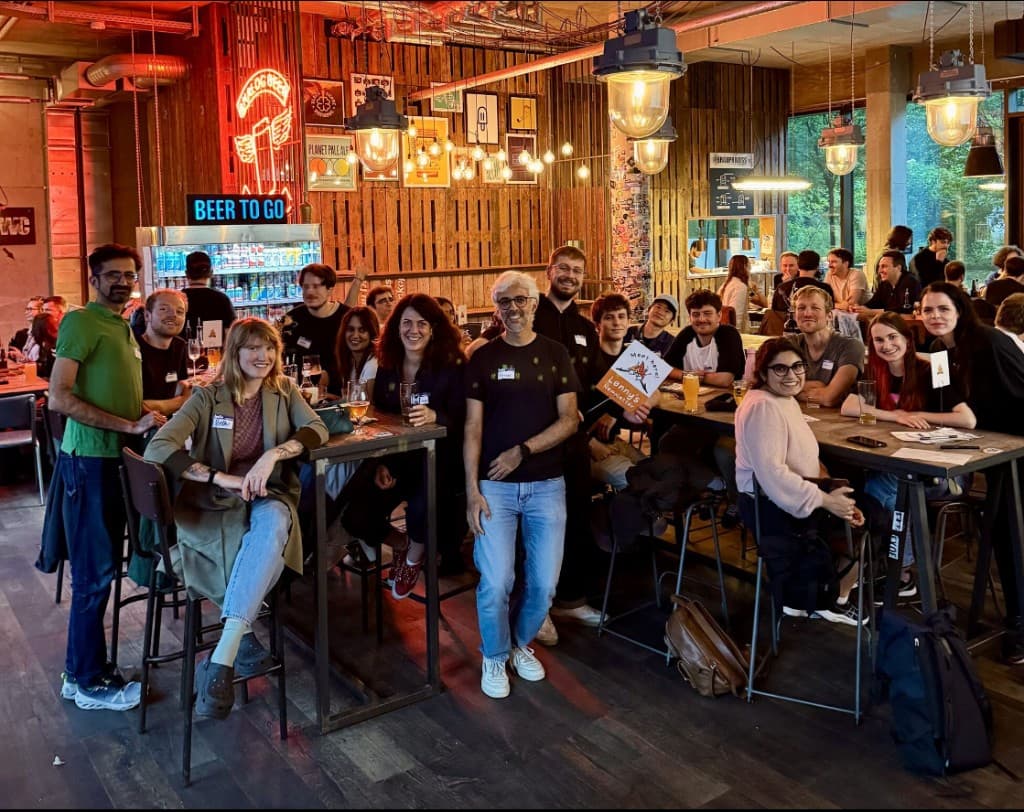
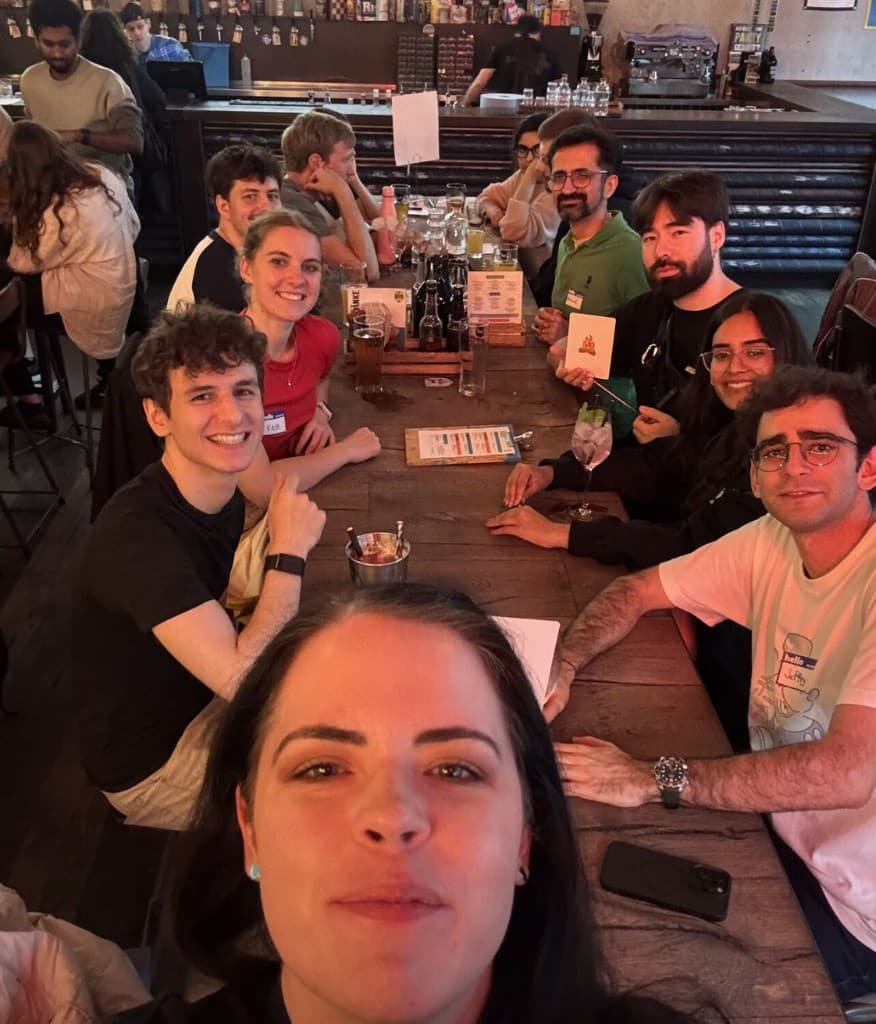
Lenny's Newsletter meetup
Sports as a side door into the network
Some of my best connections in Berlin came through sports rather than traditional networking events. Two communities worth knowing:
- Adidas Sports Base in Kreuzberg runs free daily running and strength workouts. The crowd skews young, and a good chunk of them work in tech. I enjoyed it because it's a low-pressure way to meet people without the business card energy of a networking event.
- Founders Running Club does exactly what the name suggests, so runs with founders and people building things. A good format if you'd rather talk while moving than over a drink.
My take on the Berlin tech scene
Berlin has a strong talent, industry diversity spanning fintech, climate tech, mobility, and more, and a very international crowd. What I found harder to locate was the highly competitive startup energy I experienced in San Francisco. Berlin's ecosystem feels more measured. That's not necessarily a downside, but a reflection worth noting.
Berlin beyond work: what to do when you close the laptop
Here are the things I enjoyed over the year:
Sports events worth attending
The Berlin Marathon was one of my favourite days of the year. I went to cheer for friends and didn't expect that the entire city would show up. What I didn't know before moving there: the day before, the city hosts a roller skating marathon along the same route, which looks just as fun and chaotic.
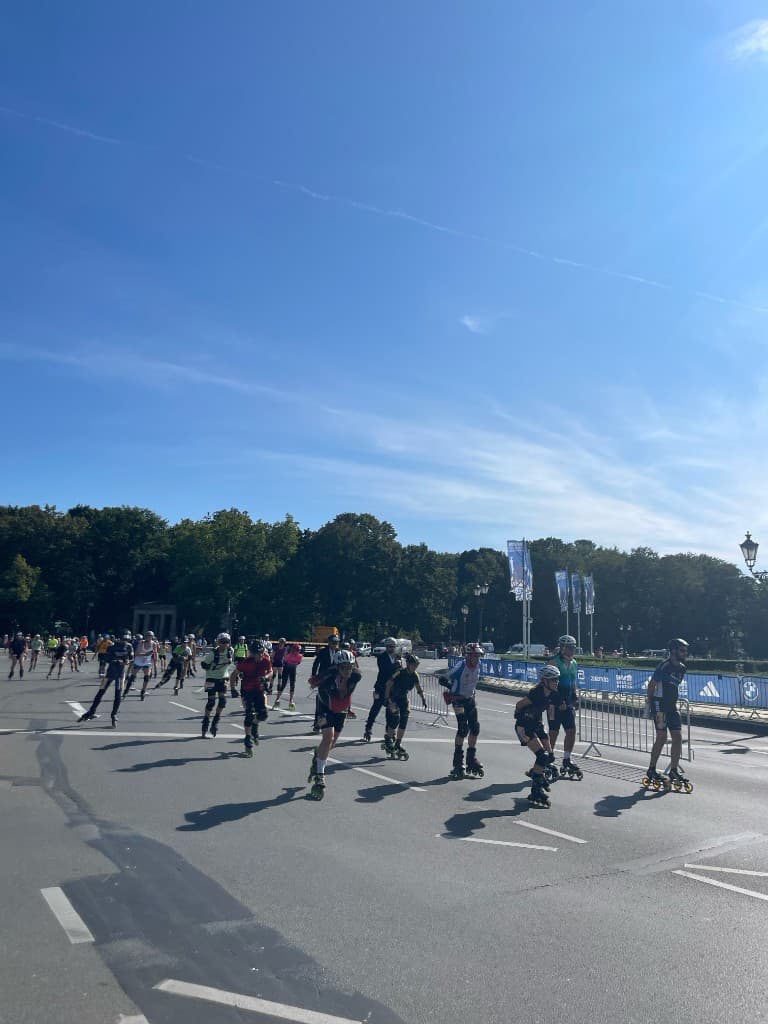
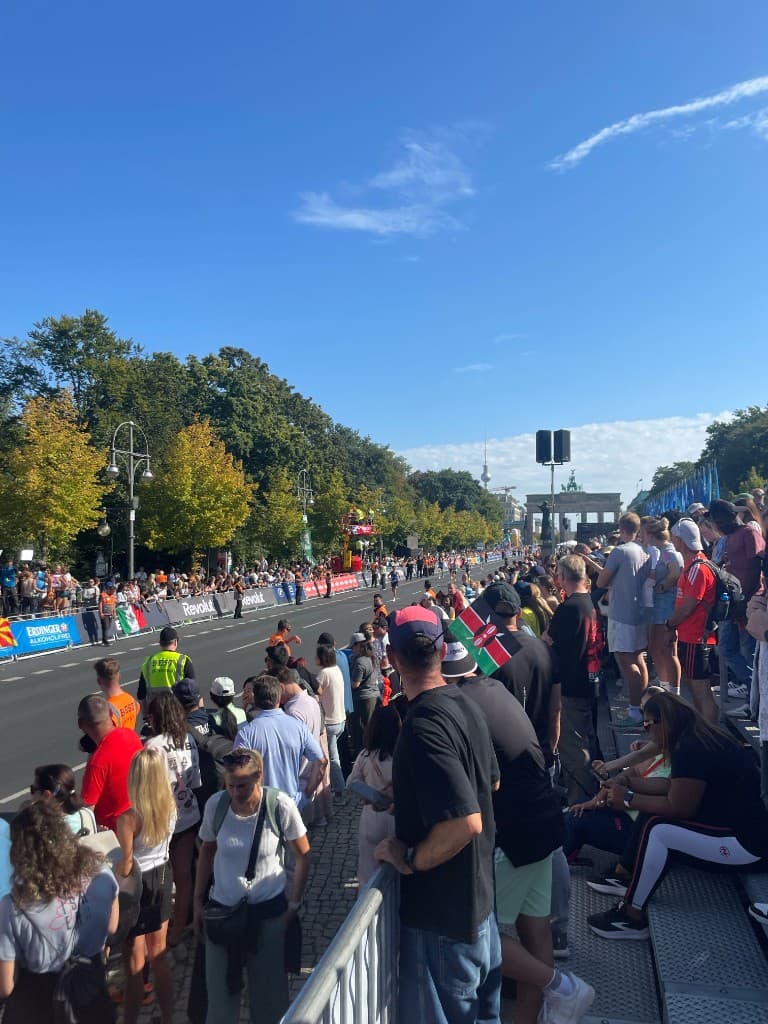
Berlin Marathon 2025 and rollerskating marathon one day before
Equally, I enjoyed the hockey games at the Uber Arena and track and field meets at the Olympic Stadium. The tickets for both are easily accessible on the location's website and a great way to get to know the culture.
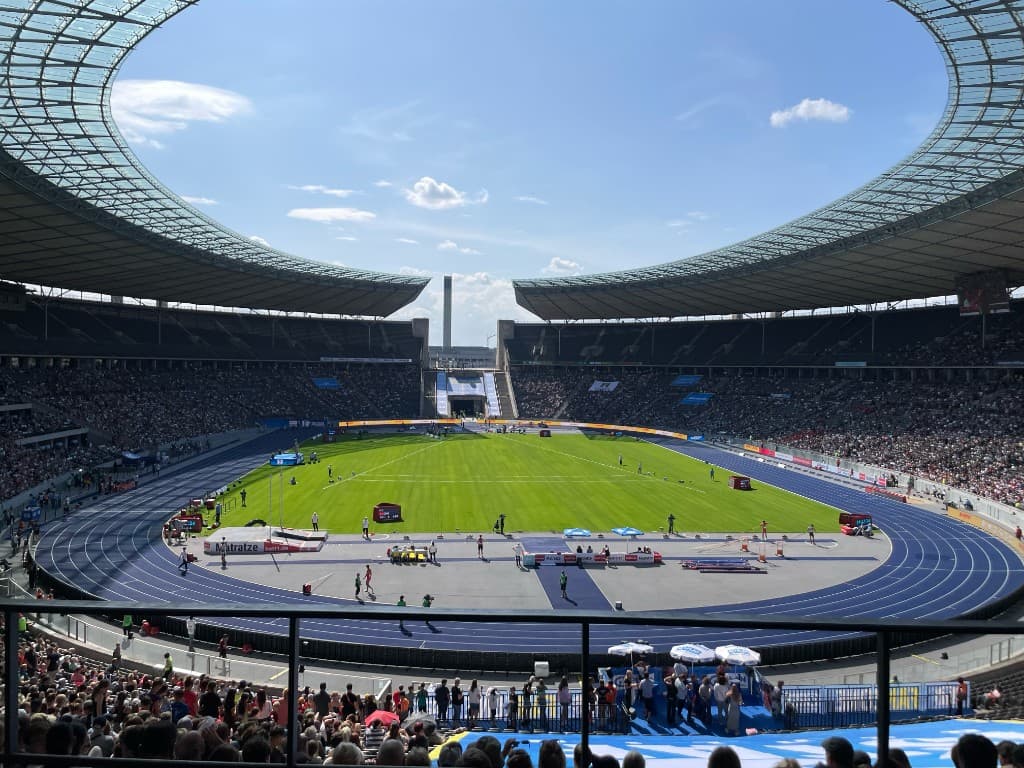
Track and field meet at the Olympic Stadium
Getting to know the city
I started by going on a free walking tour to orient myself and have the basic information when friends and family come to visit. The most striking museum I visited was the one built over Hitler's bunker. It's understated from the outside (essentially a parking lot), but the exhibition inside is thorough and worth a few hours.
What I'd tell someone considering the move
Quality of life is genuinely good
For a capital city, Berlin punches above its weight on livability, especially if you're young. It's relatively green and affordable. Kreuzberg specifically is a great area to base yourself: young crowd, close to nature, and well-positioned for most things you'll want to reach.
Finding your community takes deliberate effort
This was the part I found hardest. Berlin is a big, transient city, and people cycle in and out a lot (not as in Brussels, but still worth noting). You can attend a lot of events and still feel like you haven't found a real community.
A few practical things I wish someone had told me
- Smoking is more common in Berlin than in most cities I've lived in. When searching for a flat, ask explicitly whether smoking is allowed inside, since it's not always obvious from the listing.
- Monthly expenses for rent and food came out roughly comparable to Ljubljana, which surprised me. Rent is slightly higher, but groceries and eating out are around 10–20% cheaper, which balances it out.
- If you're flying from Slovenia, the Trieste–Berlin route is worth knowing. Flights run three times a week and cost around 40 EUR, depending on the season, one of the better-kept secrets for Slovenians considering the move.
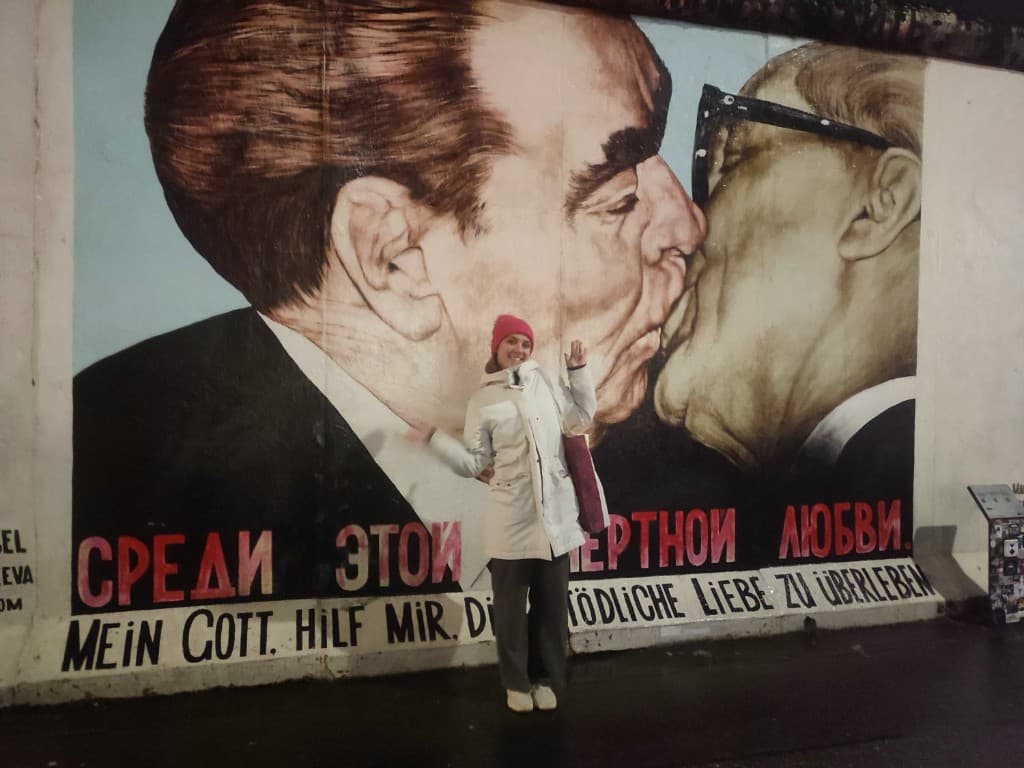
"My God, Help Me to Survive This Deadly Love" by Dmitri Vrubel
more
if you have any questions you can reach me via email or subscribe to my newsletter below.
Newsletter
I share what I'm working on, new posts and interesting resources on AI and design.